What is block paving?
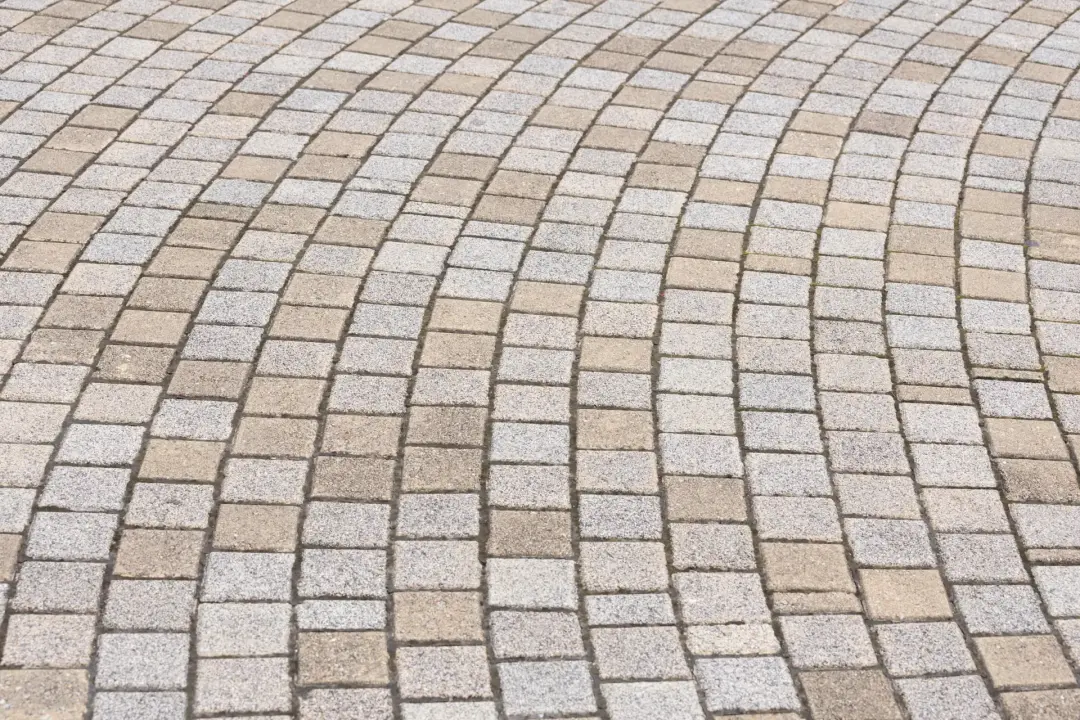
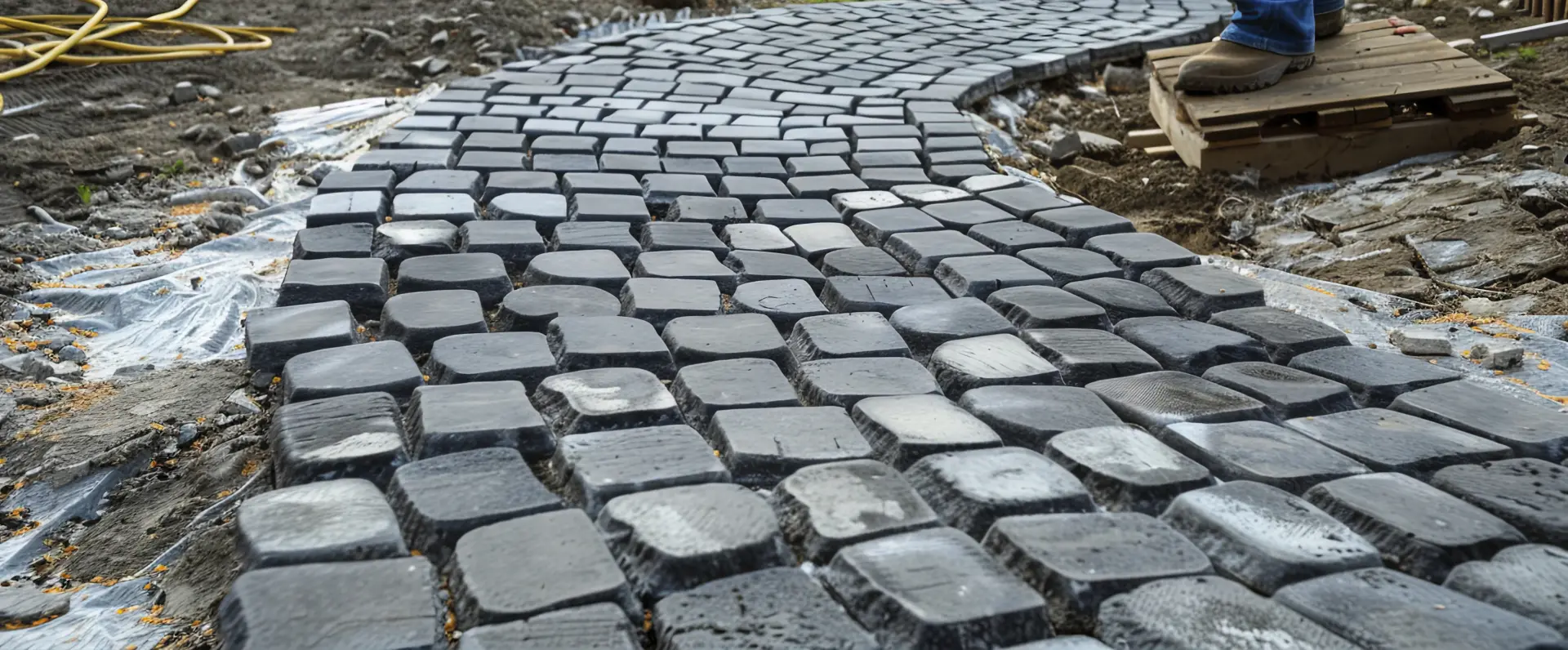
Block paving is a way of building a driveway using many small bricks, usually made from concrete or clay. The blocks are laid on a compacted base and a sharp sand bed, then joined together tightly in a set pattern. When the joints are filled with kiln-dried sand, the blocks lock against each other to form a strong, stable surface.
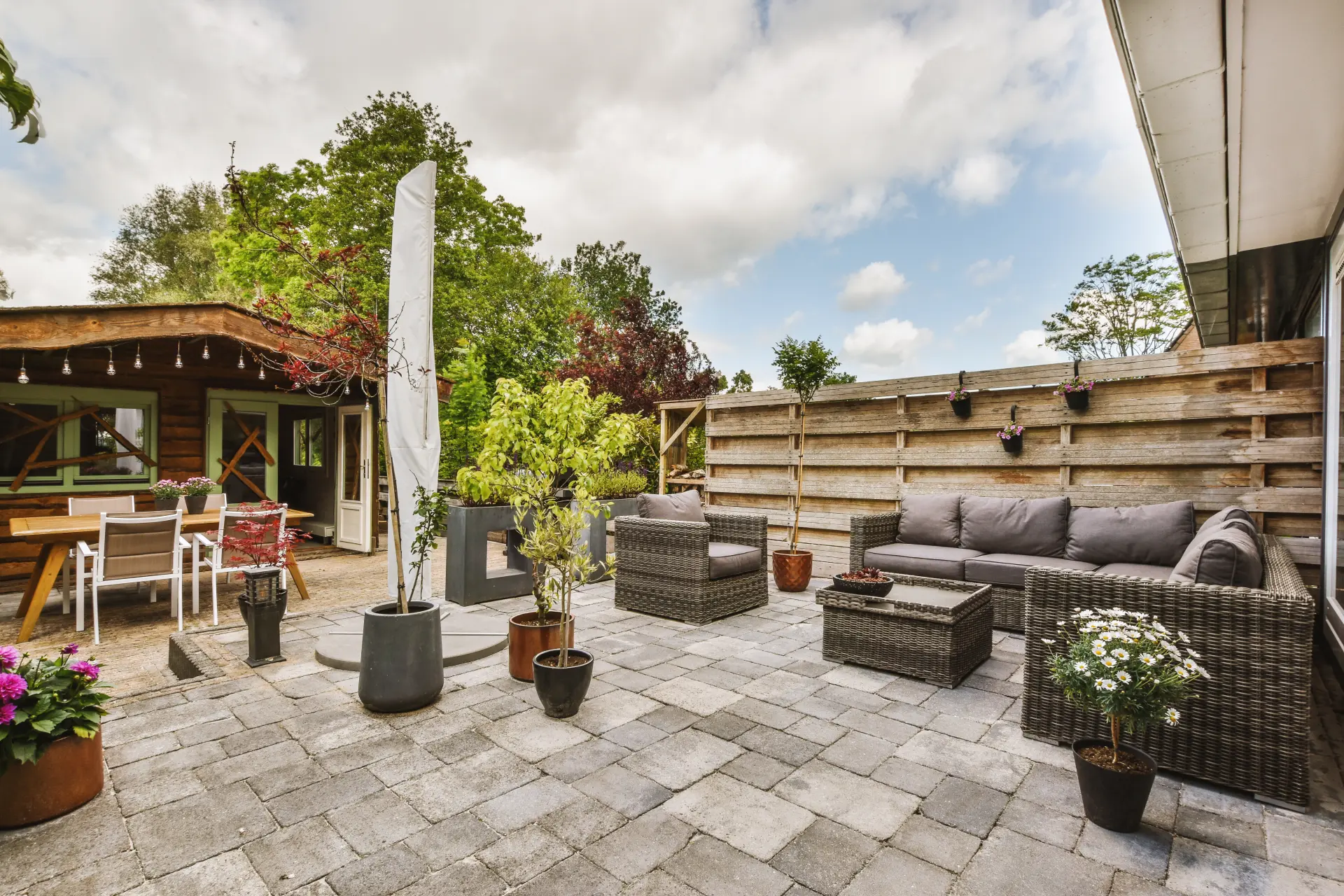
Block paving comes in many colours, sizes and textures, so it is easy to match the style of your home. It can also be cut to fit curves, steps and paths, which makes it a flexible choice for most driveways, parking areas and garden paths. You can create simple patterns and borders so your driveway has a neat, smart finish.
Strong and long lasting driveways
A key benefit of block paving is the strength of the finished driveway. Each block on its own is quite small, but when laid together they form an interlocking surface that spreads the weight of vehicles across many points. This means the driveway is less likely to crack, sag or break up under daily use. A well built block paved driveway starts with a solid sub base and correct edge restraints, which keep the blocks tightly in place. The surface can cope with regular parking, three point turns and even heavier vehicles if it is designed for them. Because damaged areas can be lifted and relaid, you can keep the driveway in good condition for many years.

With the right design and installation, block paving gives you a strong, long lasting entrance to your home. The small joints between blocks also help the surface move slightly without failing, which is helpful on ground that might settle over time.
In cold weather, block paving usually handles frost better than a large concrete slab, which can suffer from wide cracks. If the driveway is used by several cars, you can choose thicker blocks and a stronger base design to suit the load.
The hard wearing surface stands up well to tyre marks and minor oil spills, especially if it is sealed correctly. Many block paving systems are tested for strength and are used in car parks and roads as well as homes, so they are proven in real life conditions every day.
Better drainage and less surface water
Block paving can help improve drainage on your driveway when it is designed in the right way. The small gaps between the blocks allow water to run into the joints and move towards the edges, instead of sitting on the surface. Many driveways are built with a gentle fall so rainwater drains into flower beds, gravel strips or soakaways.
There are also permeable block paving systems, which are laid on a special open graded base so water can pass through the whole structure. This reduces the risk of puddles, ice and flooding near your home. Good drainage also helps protect nearby walls and foundations from long term damp problems caused by standing water around the driveway and patio or paths.
Low maintenance and easy to clean
Once a block paved driveway is installed, it is generally easy to look after. The surface is solid and smooth, so there are no loose stones to sweep back into place. Regular care usually means brushing away leaves, soil and grit so they do not stain or block the joints.
Most everyday spills can be cleaned with mild detergent and warm water, while a pressure washer can be used carefully when needed. Because each block is made in a factory, the surface is tough and resistant to normal wear from tyres and foot traffic. Algae and moss can appear in damp, shaded areas, but these can be treated with suitable cleaning products and simple tools.

Sealing the driveway with an appropriate sealant can make cleaning even easier, as it helps to reduce staining from oil and makes the colours look fresher for longer.
A sealed surface also slows the growth of weeds and moss in the joints. If weeds do appear, they can normally be removed by hand or with a gentle weed treatment, then the joints topped up with kiln dried sand.
Unlike loose gravel, block paving does not need to be raked level every few weeks. There is no need for regular painting or tarring, and you will not have to resurface the whole area if you keep up with simple seasonal maintenance checks. A short clean once or twice a year is usually enough to keep a block paved driveway looking smart and welcoming for many years.
Repairing block paving is simple
One of the practical advantages of block paving is how simple it is to repair. If an area sinks, becomes stained or is damaged by heavy use, the affected blocks can be lifted out without cutting into the surface. The base can then be corrected, cleaned or topped up, and the same blocks or new ones put back in place. This means repairs are usually quick and local, rather than needing a full new driveway.
Matching blocks are often easy to find, especially for popular ranges, so the repaired patch blends in well with the rest. Over time, this flexibility helps keep your driveway looking tidy and working properly without large, costly repair jobs for you, your family and visitors.
Our block paving installers in Worthing provide expert block paving installations for driveways, patios, garden paths, and decorative features. Our services include bespoke design, precision repairs, sealing, and long-term maintenance.