Discover quality materials for a long-lasting garden patio that withstand UK weather, minimise repairs, and add lasting charm to your garden area.
Choosing the right patio material is important when you're creating a practical and attractive outdoor space. This article compares popular patio materials, including natural stone, porcelain, concrete, brick and gravel, to help you choose a material that suits your garden, budget and maintenance needs.
Why Patio Material Choice Matters
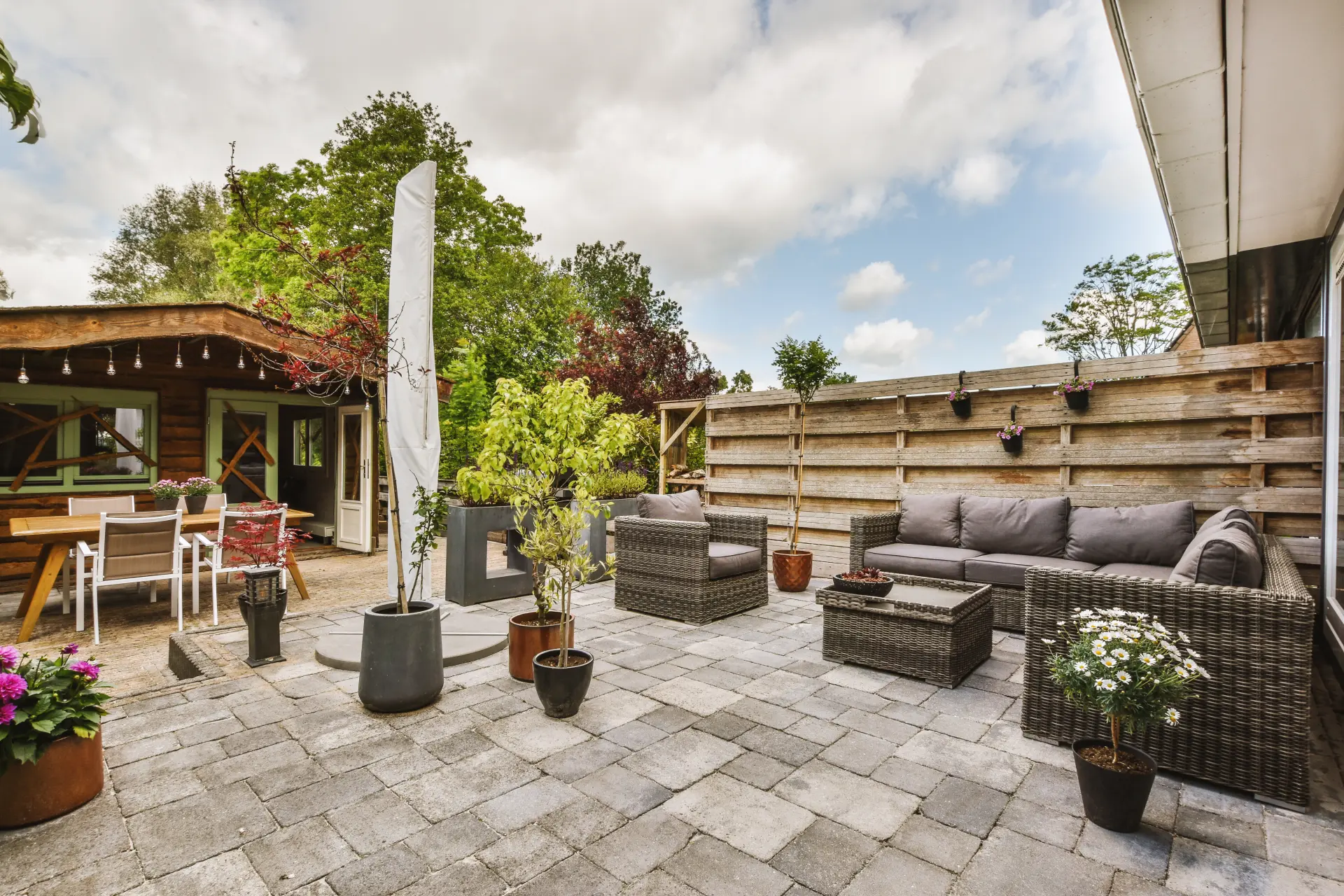
Rain, frost, heat and damp can all affect how a patio looks and performs, and using a material that suits your local climate is less likely to crack, become slippery or suffer from surface damage. Different materials also need different levels of care. Natural stone can look traditional, while porcelain is more low-maintenance.
Concrete paving is usually chosen for its practicality, and brick paving is mainly chosen for its warm, classic finish. The best material will depend on the style of your property, how much the patio is used and how much maintenance you are willing to carry out.
What Makes a Patio Material Long-Lasting?
A long-lasting patio material must be strong enough to cope with regular usage and changing weather conditions. In the UK, paving materials need to be able to withstand frequent rain, frost, temperature changes and periods of direct sunlight without cracking, fading or becoming worn out.
Low water absorption is also important because patio materials that take in too much water can become damaged when it freezes and expands during winter - frost-resistant paving is therefore a more sensible choice for exposed outdoor areas.
The quality of the material also plays a major part in its lifespan. Dense natural stone, good-quality porcelain and well-made concrete paving can all provide durable results when they are designed to be used outdoors. However, even strong materials can end up causing issues if they are laid on a weak or uneven base.
Natural Stone Patios
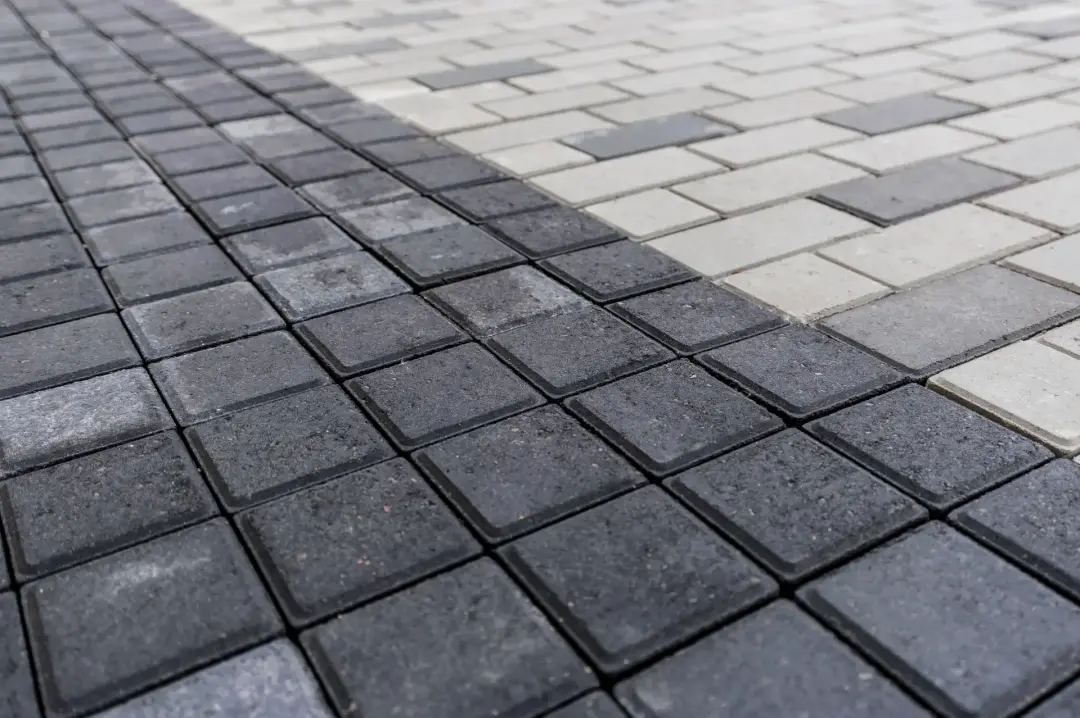
Natural stone has a varied appearance because each slab has its own colour, texture and pattern, which can help you create a patio with an individual finish that can suit both traditional and modern homes.
Well-chosen stone materials can also blend in naturally with lawns, planting areas, walls and other garden features, and many types of natural stone provide good grip. This is important in the UK, since patios are often exposed to rain and damp conditions.
Natural stone also has a long service life, and any damaged or stained slabs can often be replaced individually without the whole patio needing to be rebuilt.
Porcelain Patio Tiles
Porcelain is made at very high temperatures, making it a dense material with low water absorption, which means it can resist frost damage, staining and moisture better than other materials. Porcelain tiles are also hard-wearing and suitable for areas that handle regular foot traffic, garden furniture and outdoor dining equipment.
Porcelain tiles are typically available in the same colour, but they can be made to look like natural stone, concrete or wood. This gives homeowners a wide choice of styles to choose from without the care requirements linked to the materials they imitate. Outdoor porcelain tiles often have textured, slip-resistant surfaces, too, which can give you more grip during damp conditions.
Concrete Paving Slabs
Concrete slabs are available in a range of different sizes, colours, textures and patterns, making them suitable for both traditional and modern garden designs. Some concrete slabs are also made to copy the appearance of natural stone - just like porcelain tiles - and they are strong enough to support regular foot traffic, garden furniture, plant pots and outdoor dining equipment when they are installed correctly.
Concrete slabs are often less expensive to install than natural stone or porcelain, which can make them more suitable for larger patios or homeowners with limited budgets. Their regular shape and thickness can also make the installation process more straightforward, although good ground preparation, drainage and jointing are still essential.
Brick Patios
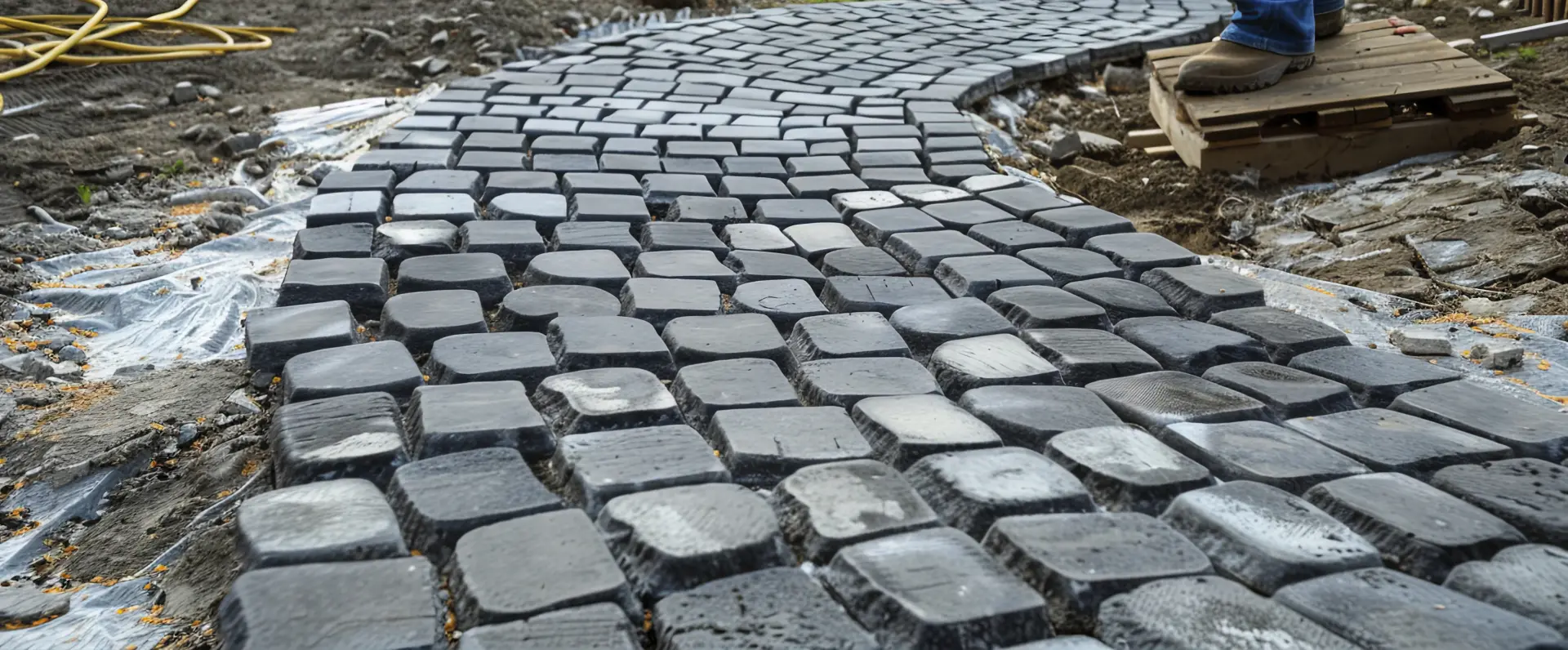
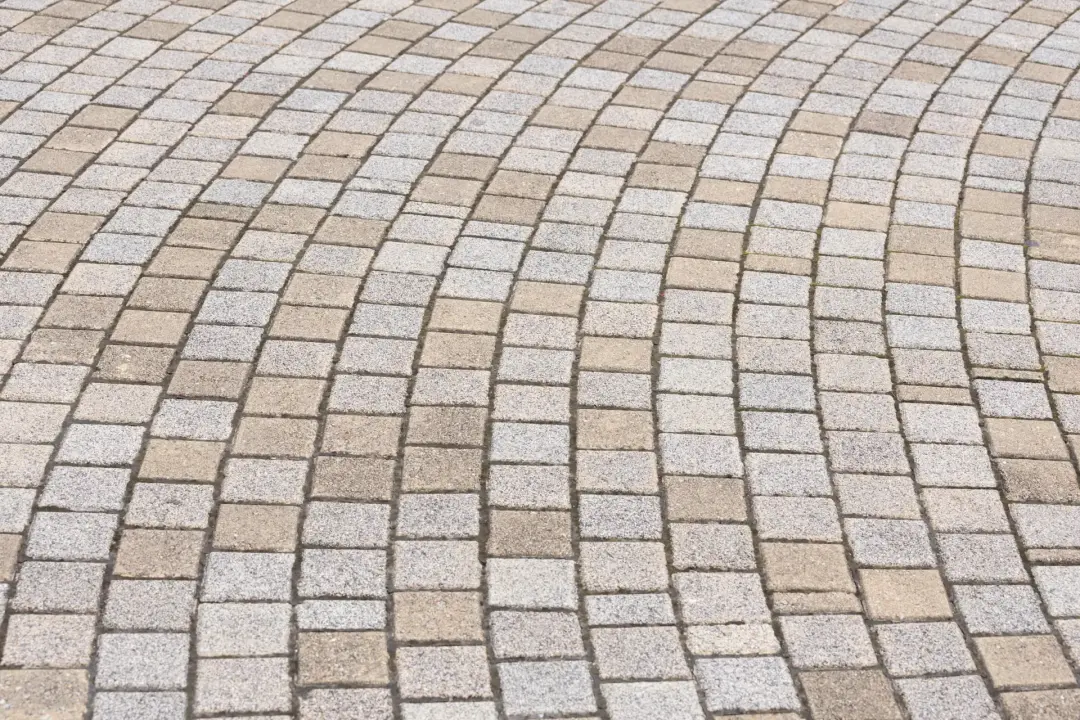
Clay bricks and concrete block paving are made to handle regular foot traffic, garden furniture and changing weather conditions when they are laid on a suitable base. Brick patios provide a traditional appearance that can work well with older homes, cottages and modern properties. Bricks are also available in different colours, shapes and laying patterns, allowing you to match your patio's design to any nearby paths, walls or buildings.
Bricks are also smaller in size, making them useful for curved areas and detailed layouts. Paving bricks can also cope with slight ground movement better than large paving slabs because the surface is made from many separate units, and if any repairs are needed in the future, the individual bricks can simply be lifted up and replaced.
Gravel Patios
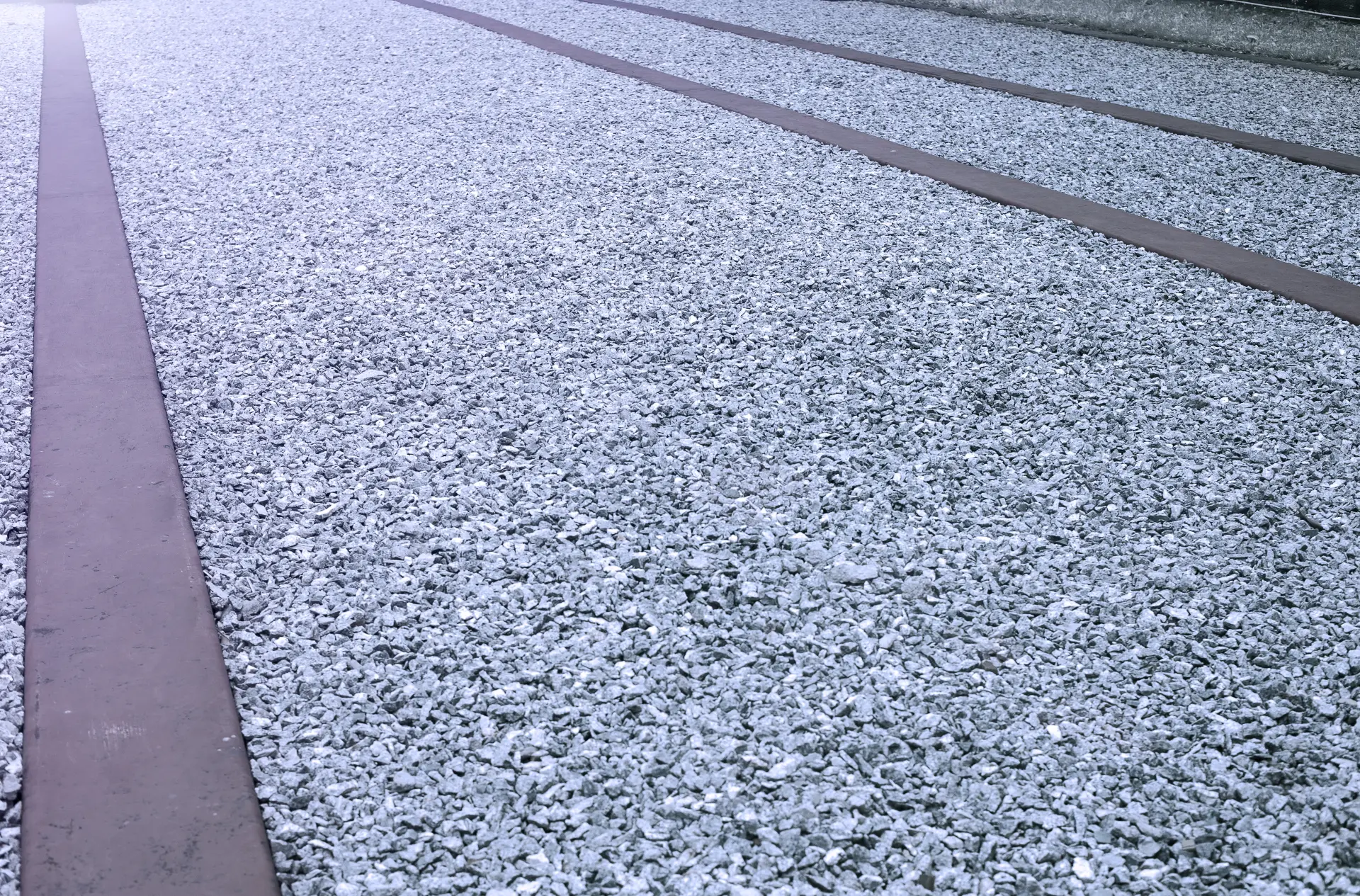
Gravel is typically less expensive than natural stone, porcelain or concrete paving, making it useful for large areas or people with limited budgets. The installation phase can also be quicker since gravel patios do not require any individual slabs to be laid down.
Gravel also lets rainwater drain through the surface when it is installed over a suitable base, which can help reduce issues like standing water and support your drainage system. Having a proper sub-base and weed-control membrane installed is important when you are laying down gravel since they keep the surface stable and limit any unwanted plant growth.
Slate Patio Paving
Slate is known for its layered texture and varied colouring, which gives each slab an individual appearance. Compared to standard concrete paving, slate often provides a more natural finish that suits both traditional and modern properties.
Slate is also dense and durable, meaning it can withstand regular foot traffic, garden furniture and changing weather conditions. Its naturally textured surface can also give you more grip during wet conditions, although slate's slip resistance varies by finish and should be checked out before you buy anything.
Granite Patio Paving
Granite is a dense natural stone that resists heavy foot traffic, and compared to softer stones, it is less likely to chip, scratch or wear down when it is installed correctly. Granite also has low water absorption, which helps it cope with rain, frost and changing temperatures better. This can reduce the risk of cracking via moisture entering the stone and freezing.
Granite's strength also makes it suitable for patios that need to remain stable for many years. Compared to materials like gravel, granite paving creates a firm and even surface that can handle tables, chairs, pushchairs and wheelchairs better. It also requires less levelling, and it's available in several shades and textures, including flamed finishes that improve your grip during wet or damp weather.
Limestone Patio Paving
Limestone is a natural stone that has a smooth, consistent appearance that works well with traditional and modern properties. It is available in several colours, including grey, cream and darker shades, and compared to materials like gravel, limestone does not need regular raking or topping up. Compared to standard concrete slabs, limestone has more natural colour variation and texture, which can give your patio a less manufactured look.
Limestone is generally easier to cut and shape than harder stones such as granite, making it more suitable for patios with curved edges, steps or detailed layouts. However, some types of limestone are more porous than granite or porcelain, which means that sealing may be needed to reduce staining and moisture absorption.
Sandstone Patio Paving
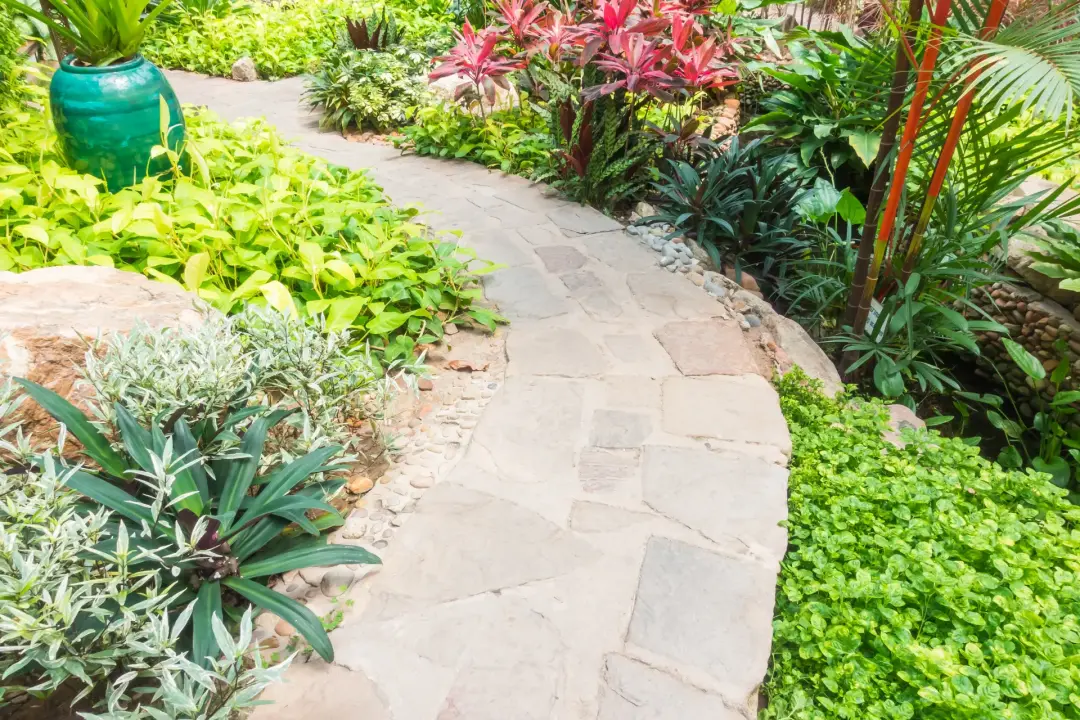
Sandstone is also a natural material that's available in a range of colours, patterns and textures, meaning that each patio can have an individual appearance. Sandstone is known for its firmness and stability, and compared to standard concrete paving, sandstone also has a less manufactured finish.
Many sandstone slabs have a textured surface that can improve your grip in wet conditions. This is important in the UK, since most patios are often exposed to rain. However, the level of grip the sandstone has depends on its finish, so any sandstone paving should be chosen carefully.
Resin-Bound Patio Surfaces
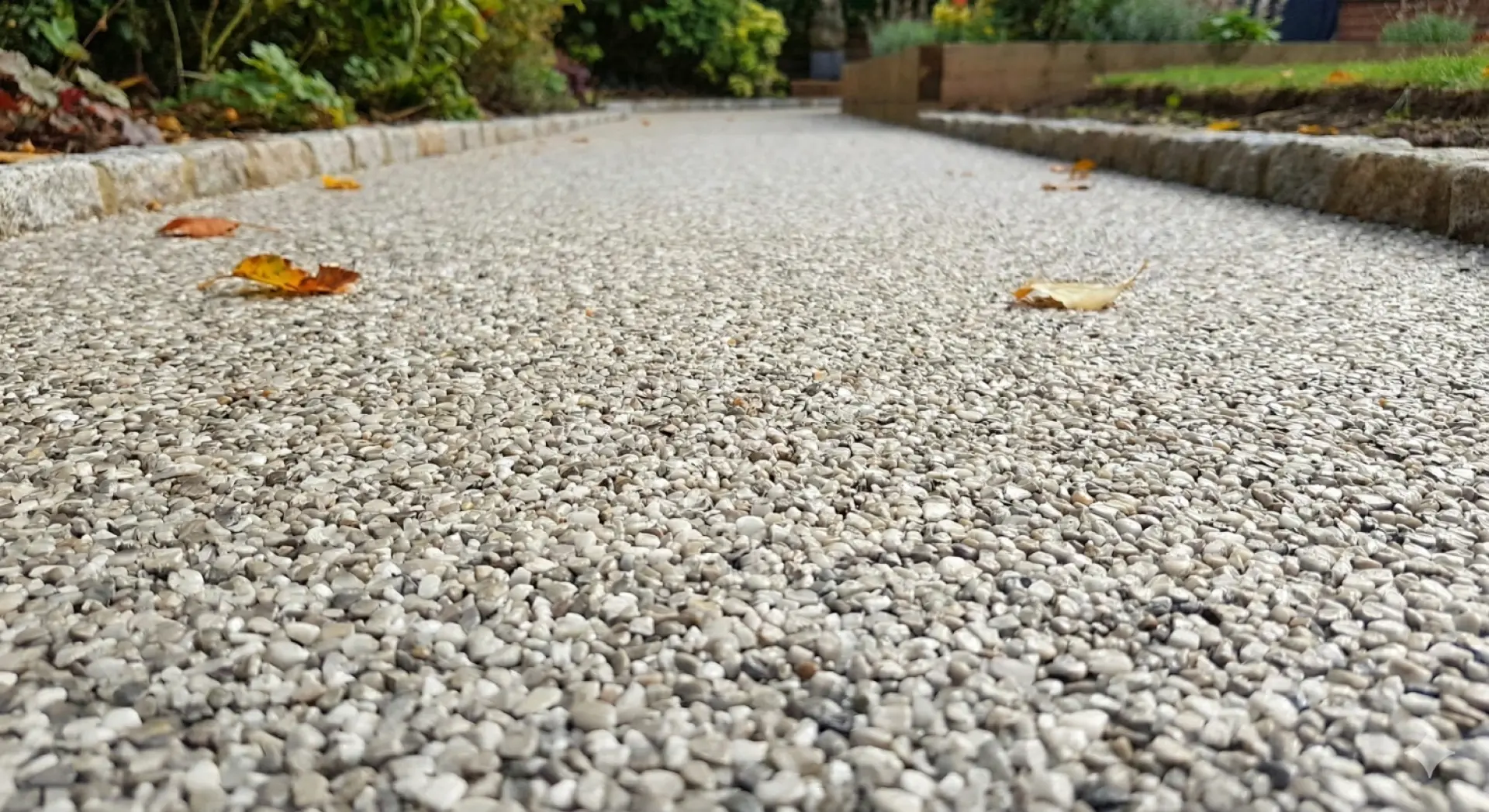
Resin-bound surfaces are often made by mixing natural aggregates with a clear resin before spreading it over a prepared base. This creates a firm layer with an even appearance and no loose stones. Resin-bound surfaces are permeable when they are installed correctly, allowing rainwater to drain through the surface.
Resin-bound patios also have a smoother finish, making them easier to use, and they are also available in a wide range of aggregate colours and sizes, allowing you to match the resin to your garden's style and design. Additionally, since there are no open joints between the resin-bound slabs, there are fewer gaps where weeds can grow through. However, it's essential to have this surface professionally installed since poor mixing, bad base preparation and unsuitable weather conditions can all affect the patio's finish.
Comparing Patio Materials by Cost
Comparing patio materials by cost can help you choose an option that suits both your budget and the needs of your garden. Prices can vary between gravel, concrete, brick, natural stone, porcelain and resin-bound surfaces, and the material's price is only one part of the total cost.
Homeowners should also compare the installation cost, too. This is because some materials need a deeper base, special adhesives, skilled cutting or longer fitting times, which can all impact your labour charges.
Your garden's size, shape and access requirements can also affect the final price. Curved patios, steps and difficult-to-access areas often increase labour and material prices. By tallying up the total price, you can avoid unexpected charges and make a more informed choice.
Which Patio Materials Need the Least Maintenance?
Out of all the main patio materials, porcelain tiles usually need the least maintenance. This is because porcelain has very low water absorption, meaning that it resists moisture, frost and many common stains. It also doesn't need to be sealed, and regular sweeping and occasional washing is often enough to keep it clean.
Granite is also relatively low maintenance because it is dense, hard-wearing and less likely to absorb water than many softer natural stones. However, it can still benefit from regular cleaning and, in some cases, sealing. Resin-bound patio surfaces need limited care when they are installed correctly. However, any damaged resin can be more difficult to repair than individual paving slabs.
Concrete paving is generally easy to maintain, although some slabs may stain or develop algae in damp areas, and slate, limestone and sandstone usually need more care because they are typically porous. Brick patios also need to be swept, de-weeded and have occasional joint maintenance, and gravel needs to be raked and topped up over time, making them some of the more maintenance-heavy choices.
Best Patio Materials for Wet Weather
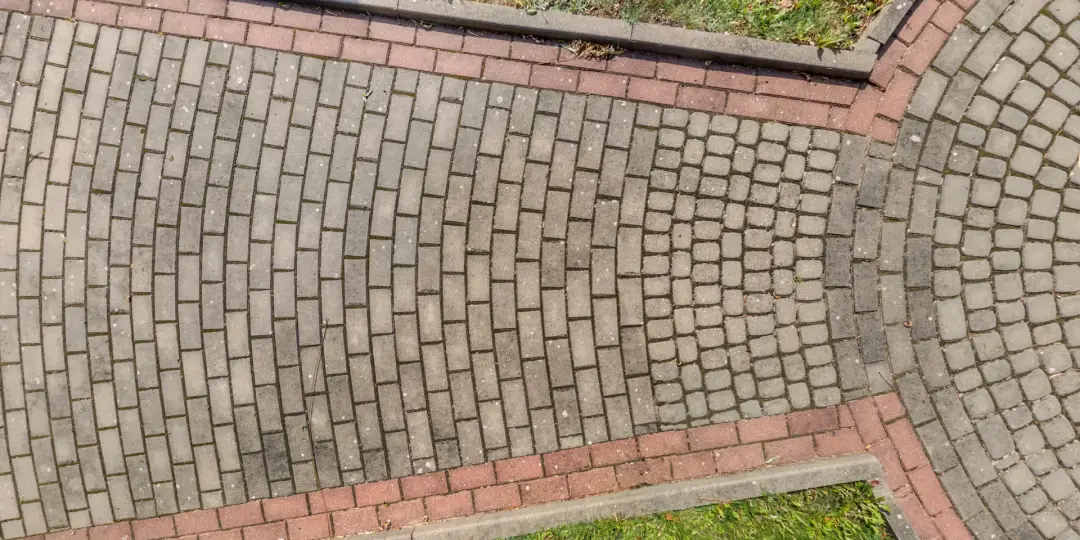
Porcelain, granite and textured natural stone are some of the best patio materials for wet weather. Porcelain has very low water absorption, which helps it resist moisture, frost damage and staining, and outdoor porcelain tiles have a textured, slip-resistant finish to give you better grip during rain.
Granite is dense, durable and resistant to water absorption, and pairing granite with a flamed or textured finish can improve your grip and make it suitable for exposed patios.
Slate and sandstone can also perform well when you install outdoor-grade slabs with naturally textured surfaces. However, some types are porous and may require sealing to reduce their moisture absorption and staining.
Best Patio Materials for Family Gardens
Porcelain, concrete paving and textured natural stone are the most suitable choices for family gardens in the UK. Porcelain is durable, easy to clean and resistant to stains, moisture and frost. Concrete paving slabs are strong, widely available and often more affordable than porcelain or natural stone.
Textured sandstone or granite can also work well because these materials provide a firm surface and improve your grip. However, some natural stones may need to be sealed to reduce the risk of staining and water absorption.
How to Choose a Patio Material That Suits Your Home
Natural stone, brick or slate are often better suited to more traditional properties, while porcelain, granite and smooth concrete paving can work better with modern homes. Family gardens need a durable, level and slip-resistant surface that is easy to clean, and in this case, porcelain and concrete are practical options.
Gravel can also suit informal gardens, but it can move under your furniture and make it harder for you to move pushchairs or wheelchairs. You also need to choose outdoor paving that can resist frost, moisture and staining, as well as plan out a suitable budget for the full project.
We provide professional patio installation services in Worthing to help homeowners create durable, attractive and practical outdoor spaces. From ground preparation and drainage to paving and finishing, our skilled installers will manage each stage carefully. A properly fitted patio can improve your garden's use and appeal.