Cost comparison
When you compare block paving with tarmac, the first thing most homeowners think about is cost. Tarmac is usually cheaper to install per square metre, especially on larger drives where the area is wide and open. The base layers are often similar, but tarmac needs less time and labour on the surface.
Block paving costs more at the start because the blocks, edging and laying pattern take longer to set out and cut in. However, prices can change depending on the blocks you choose, access to your property, waste removal and drainage work. It is worth getting like for like quotes for both options so you can compare the total finished price, not just the basic cost of materials alone.
How long each driveway type lasts
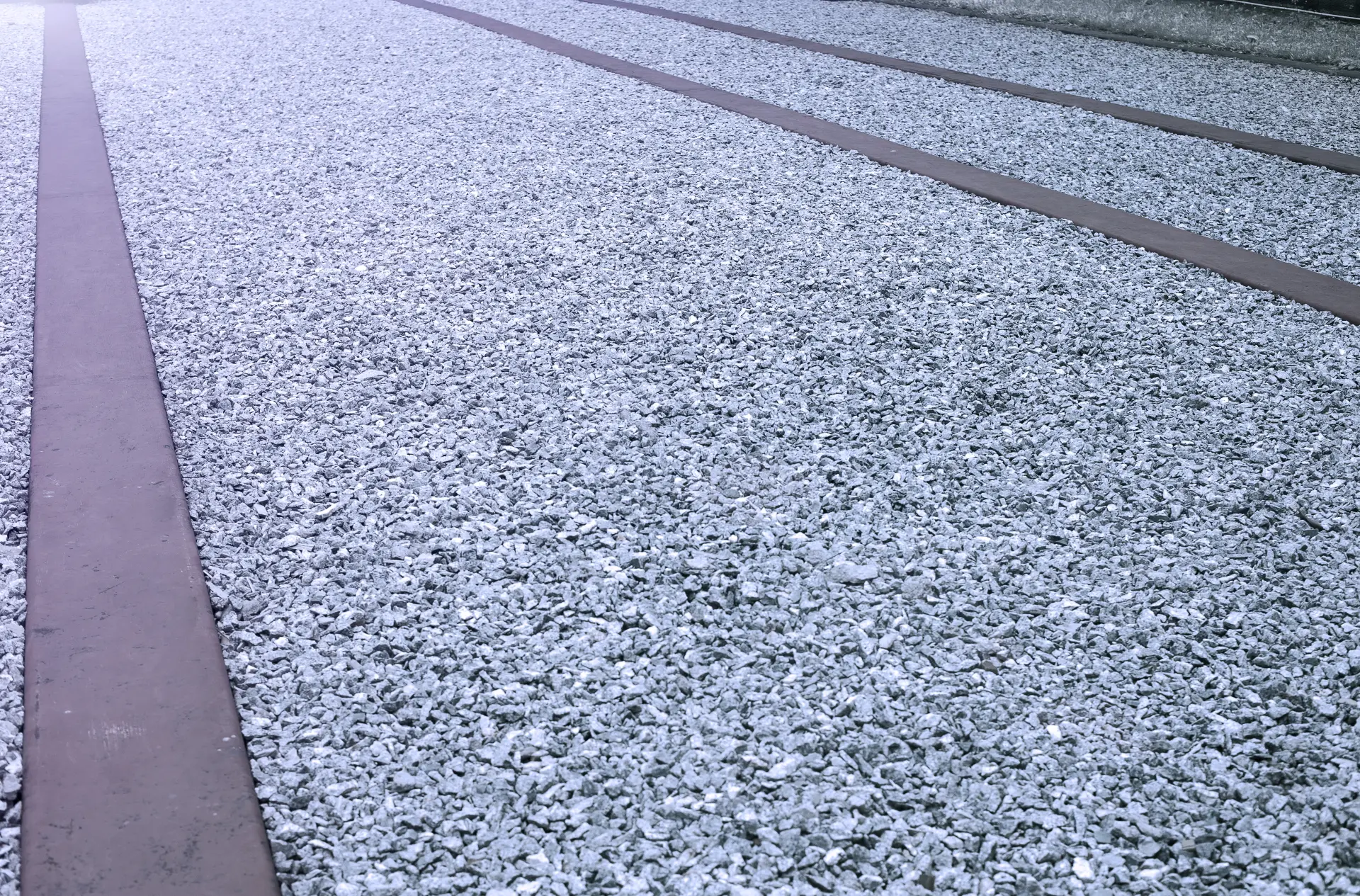
Both block paving and tarmac can last a long time if they are laid on a solid, well prepared base. The ground must be dug out to the right depth, compacted with a plate compactor and built back up with quality sub base stone. If this part is rushed or done poorly, any driveway surface will move and crack far sooner than it should.
Tarmac driveways usually give around fifteen to twenty years of use before the surface starts to crack, soften or wear away. They can age faster if they are laid very thinly or are used by heavy vans and lorries every day. Oil leaks and turning steering wheels while stationary can also scuff the surface. In hot summers, very old tarmac can become soft and start to deform under wheels or heavy loads.

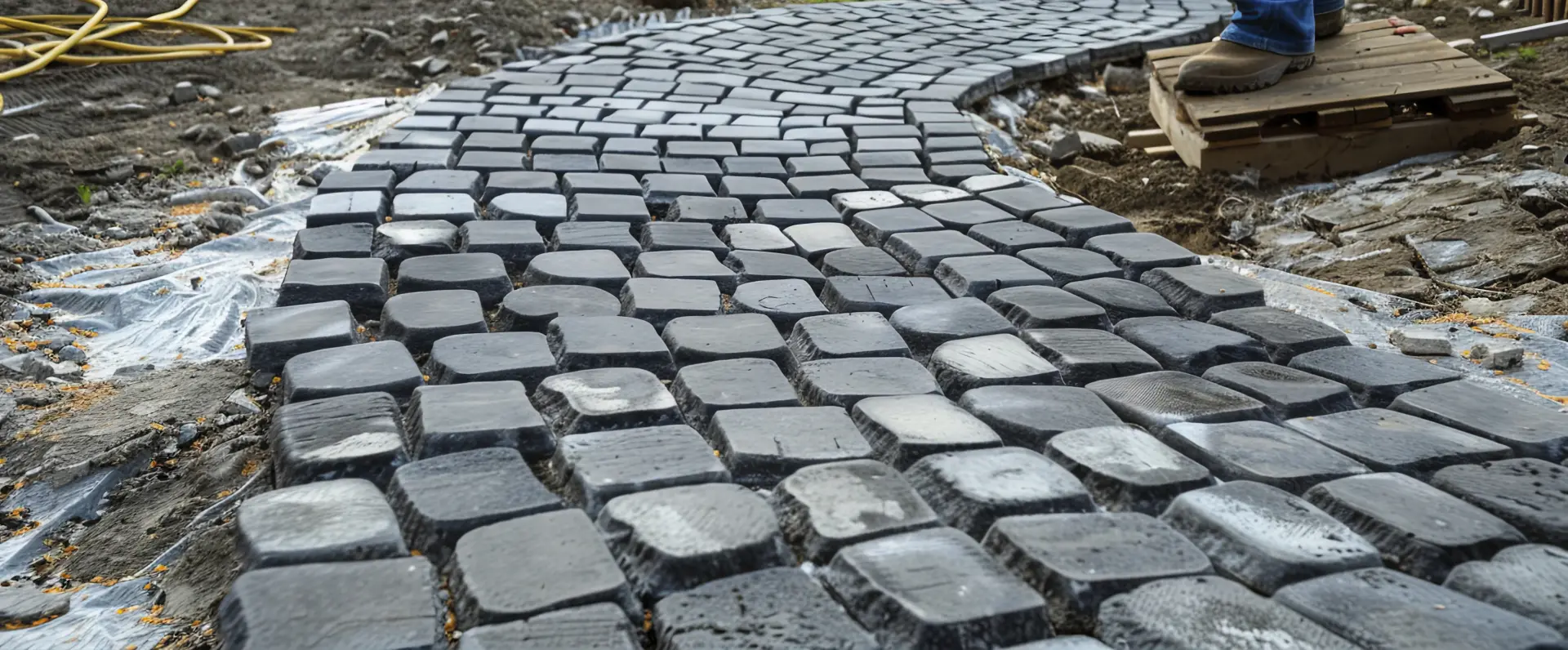
Block paving is made from individual concrete or clay blocks which are very strong. With normal use, a block driveway can often last twenty five years or more. If a few blocks sink or spread over time, they can be lifted, the base relaid and the same blocks put back.
This makes it easier to keep a block paved driveway in good condition for many years without full replacement. You can also replace small areas in stages, which is helpful if you are working to a tight budget or want to improve worn patches first.
Drainage and surface water
Drainage is an important point when you compare block paving vs tarmac driveways. Standard tarmac is not permeable, so rainwater needs to run off into a drain, soakaway or soil. If the drive slopes towards your house, extra channels and gulleys may be needed to keep water away.
Many modern block paving systems are designed to let water drain through the gaps and into the ground below. These permeable systems can reduce the amount of water sent into street drains during heavy rain. Even with standard blocks, installers can build in channels, soakaways and gentle falls. This can help reduce puddles and slippery patches and cut the risk of water running towards your home, the pavement or nearby paths outside.
Looks and kerb appeal
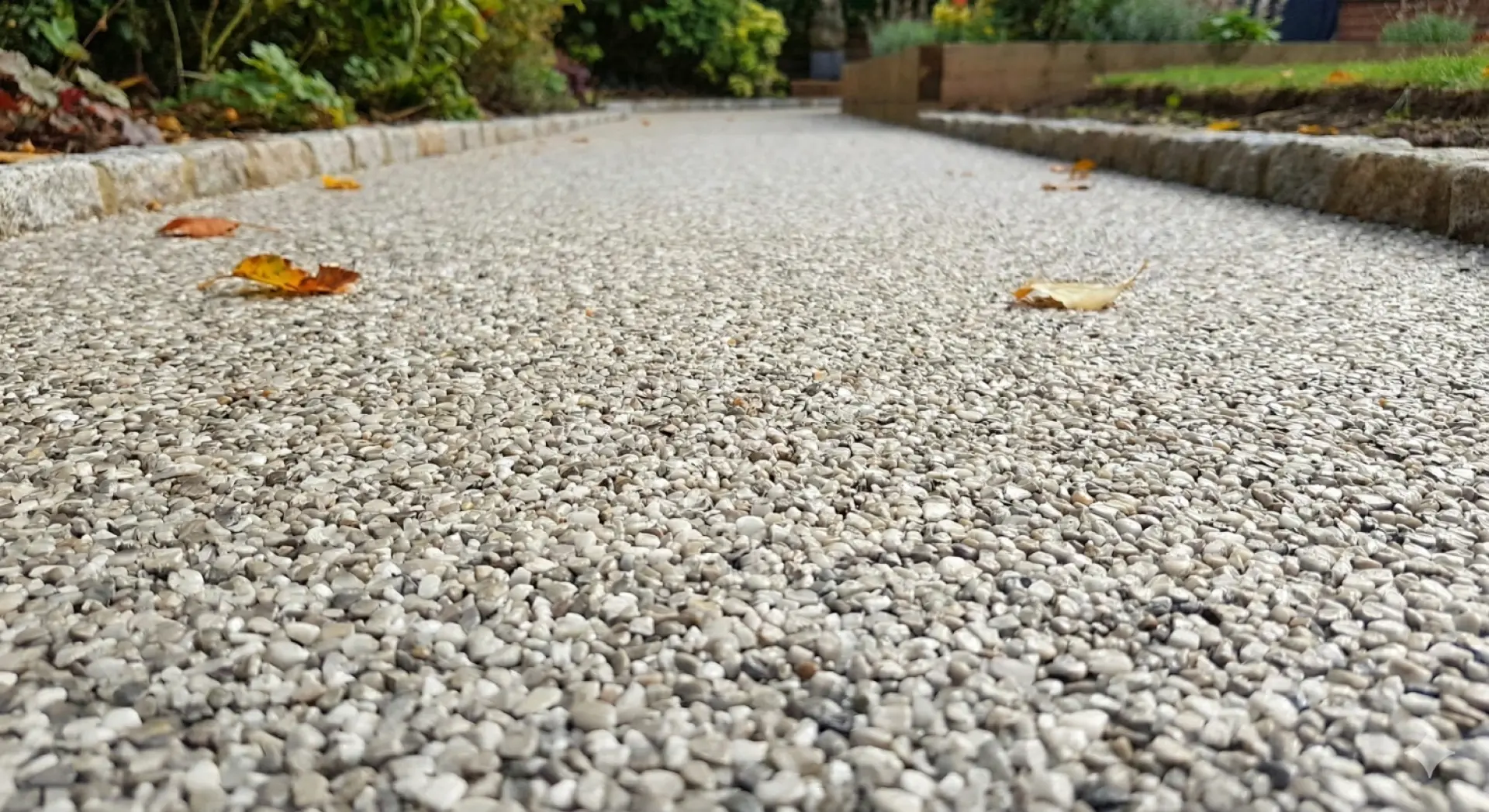
The look of your driveway has a big impact on kerb appeal and how smart your home appears from the street. Tarmac gives a smooth, simple finish that suits many modern homes and works well when you want a clean, neat look with little visual fuss. It is usually only available in a small range of colours, most often black or dark red, although coloured stone chippings can sometimes be rolled into the surface to soften the appearance.
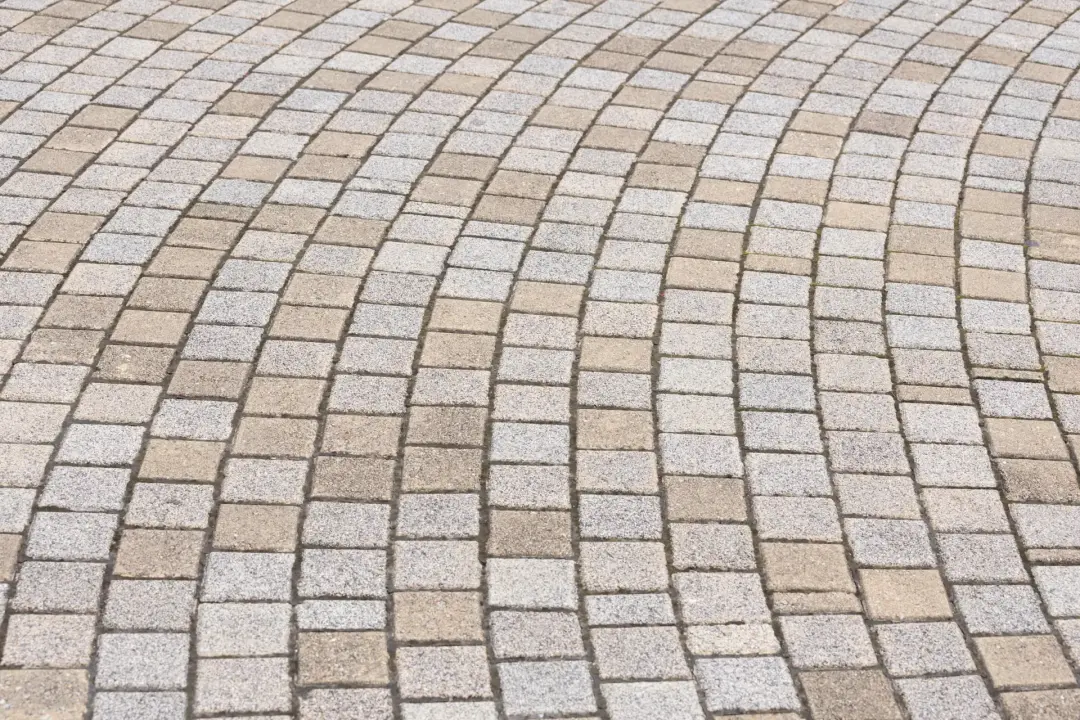
Block paving gives many more design choices. You can pick different block sizes, mixed colours and laying patterns, such as herringbone, stretcher bond or basketweave. Borders, contrasting edges and feature circles can add interest and help frame paths, lawns and planting beds. You can also match the paving style to steps, patios and garden paths so everything feels linked together. If you want a traditional feel, tumbled or aged blocks can give a softer look, while smooth, large format blocks suit modern homes.

Over time, a well designed block paved driveway can make your home stand out in the street and may even help it feel more valuable and inviting to buyers when you come to sell.
Tarmac can still look smart, especially when freshly laid and neatly edged with kerbs or brick borders, but it is harder to personalise. If creating a unique, stylish entrance is important to you, block paving usually offers the better choice.
Maintenance and repairs
Maintenance is another key difference between block paving vs tarmac driveways. Tarmac drives need sweeping and an occasional wash to remove moss and road dirt. Small cracks or holes should be sealed quickly so water does not get in and cause damage. A restorer coating can sometimes refresh the colour.
Block paving needs regular sweeping and sometimes weed treatment between joints. Sand in the joints may need topping up after a few years to keep the surface locked together. Sealing can help reduce staining, although it is not always essential. If you get an oil stain or a damaged area, blocks can be lifted and replaced. This makes repairs simple and often cheaper than resurfacing part of a tarmac driveway.
Our block paving installers in Worthing provide expert block paving installations for driveways, patios, garden paths, and decorative features. Our services include bespoke design, precision repairs, sealing, and long-term maintenance.